
Summary by Katherine Scheibert, June 16th, 2026, Originally posted by Karrie Lucero from WEX FSM
The field service industry is growing, but contractors are also facing higher costs, labor shortages, and increasing customer expectations. To help members stay ahead, Savings4Members offers WEX FSM.
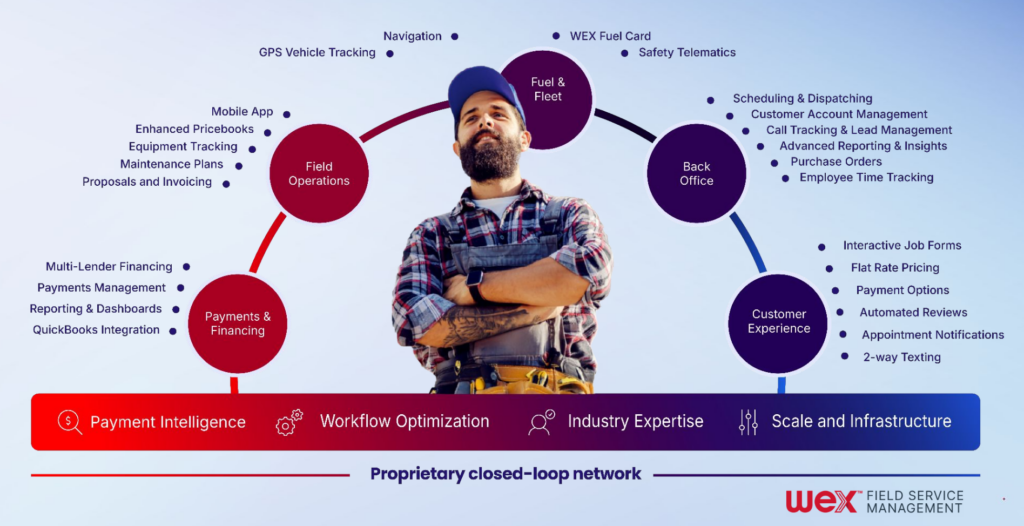
Built for field service businesses, WEX FSM brings scheduling, dispatch, invoicing, payments, financing, and fleet management into one platform. By simplifying day to day operations, members can save time, improve cash flow, and gain better visibility into their business.
7 Best Practices for Field Operations and Financial Control
Revenue is made or lost in the field. Despite all the technology available today, 60% of service-based companies still rely heavily on paper for their daily operations. As a result, technicians can lose up to 25% of their day to admin work like finding job info, waiting on approvals, or chasing details.
Top-performing contractors fix this with FSM tools. They plan routes ahead of time, send job details before the day starts, and set clear customer expectations. Techs get everything they need on their mobile device, including notes and real-time updates. Customers also receive automated notifications and ETAs. It is a simple shift that removes a lot of wasted time and keeps work moving.
1.) Job checklists: Stop losing time in the field
Job checklists are simple, but they are a major driver of consistency and financial control in field service. Standardizing what gets captured on every job reduces missed details, invoicing errors, and payment delays.
Let’s think about a new equipment installation. Your checklist should capture the following information:
- Equipment model
- Serial number
- Installation photos
- Warranty registration details
- Customer sign off
For maintenance jobs, they ensure every inspection and service step is documented clearly and consistently. With WEX FSM, teams can build required, internal, or customer-facing checklists with photos and notes so every technician follows the same process and every job is documented the same way.

2.) Smarter Invoicing and Payments
If invoicing is slow or complicated, technicians tend to rush it and miss details, including upsell opportunities and proper documentation. That’s not because they’re lazy. It’s because they’re busy, and it’s natural to focus on what’s most important—completed jobs.
Template-based invoicing fixes this by standardizing common jobs and building in upsell options like upgrades, add-ons, or maintenance plans. Your tech just selects what applies rather than building an invoice from scratch.
Clear, visual options also matter. When you present customers with 2-3 clear visual options, you help them make faster decisions, and you secure more approved work. Clarity leads to approval. Confusion leads to “let me think about it,” which often means the work never gets done.
3.) Get paid without the wait
The service industry has traditionally accepted 30-60 day payment cycles as normal, but that’s changing. You can’t run a healthy business when you’re constantly chasing receivables. Long payment cycles put unnecessary strain on cash flow. Setting clear payment expectations upfront with the customer (fees and payment timing) helps reduce delays and avoid surprises.
Offering multiple payment options, such as credit cards, ACH, checks, and electronic invoices, also makes it easier for customers to pay. FSM platforms also enable technicians to collect payment in the field, improving on-time payments and reducing delinquencies.
One final tip: instead of adding separate credit card processing fees to invoices, build those costs into your overall pricing structure to create a smoother customer experience.
4.) Financing and fleet management: major controllable expenses
Most HVAC system replacements cost between $5,000 and $12,500. That’s a significant expense for any homeowner. 71% of homeowners have put off at least one home project in the past year due to cost, according to data from Angi.com.
Contractors who offer financing options see higher close rates, larger average tickets, and improved cash flow. The key is making financing easy to present and approve. On the operations side, fleet expenses like fuel and maintenance are often overlooked. Fleet tracking and fuel card reporting provide visibility into real job costs and help identify inefficiencies. WEX FSM financing solutions integrate directly into your workflow, so your techs aren’t juggling separate systems or making customers wait.
5.) Fleet Management: A Major Controllable Expense
Your fleet is one of your biggest controllable costs, but many contractors still manage it reactively. GPS tracking helps reduce fuel spend by spotting inefficient routes, cutting idle time, and flagging maintenance issues early.
WEX Fleet Cards add tighter control with spend limits, transaction tracking, and fraud protection. Paired with your FSM system, they give a clearer view of true job costs, including drive time, fuel, and vehicle wear.
6.) Back Office Financial Management That Actually Works
The back office is where field work either turns into profit or gets lost in the noise. Without the right systems, it’s easy for part orders, return visits, or unapproved work to fall through the cracks.
Using flags and notes in your FSM system helps keep follow-ups organized, with clear ownership and next steps for every open item. Regular reviews of jobs, payments, and open proposals help catch issues early.
Collections also become more consistent with automated reminders and real-time overdue tracking. WEX FSM account controls can even flag or hold past-due accounts, helping prevent new work from being scheduled until old balances are resolved.
7.) Integration Equals Efficiency
Disconnected systems create disconnected operations. When your business tools don’t communicate with each other, you end up with:
- Communication gaps that frustrate both employees and customers
- Duplicated data entry
- Inconsistent job details
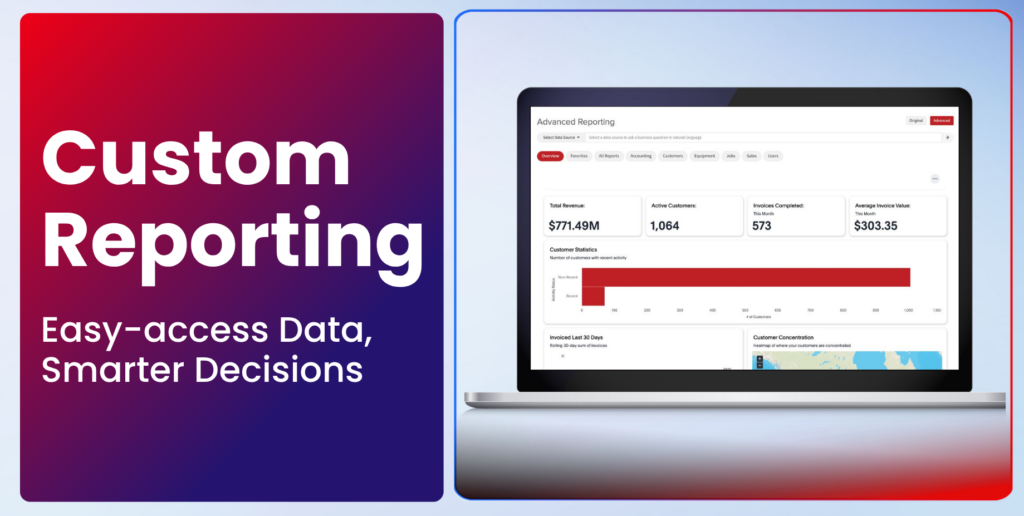
Integrated FSM centralizes all workflows into one dashboard, reducing manual reconciliation, errors, and blind spots across the business. Office staff can see real-time updates from the field, technicians can access everything they need on mobile, and leadership gets accurate reporting based on current data rather than outdated information.
Three Small Things You Can Do Today
Small changes create real control. You do not need a full overhaul to see improvement.
- Update job checklists for your top 3 services to capture the right details upfront, reducing missed info, billing errors, and rework
- Build invoice templates with preset recommendations so techs can present options and capture upsells instead of rushing or skipping details
- Review a daily job status report each morning or evening to catch delays, missing follow ups, and unpaid work before it turns into lost revenue
Most business issues come from small gaps between field and office that build over time. Fixing them improves cash flow, protects margins, and keeps jobs from slipping through the cracks.
Want to see the original article? Explore the WEX FSM blog here
Want to learn how a managed uniform program can help you save?
You can connect with your Member Engagement Consultant or reach out through our contact form to explore exclusive member benefits with WEX Field Service Management.