By Katherine Scheibert, posted 02/18/26
Original Article by WEX, Read here
If your business involves running a fleet of vehicles, then you are also overseeing the people behind them. Managing drivers can get complicated: too little oversight and costs spiral, too much and morale suffers. The right tools make it easier to stay in control without making everyone’s life harder.
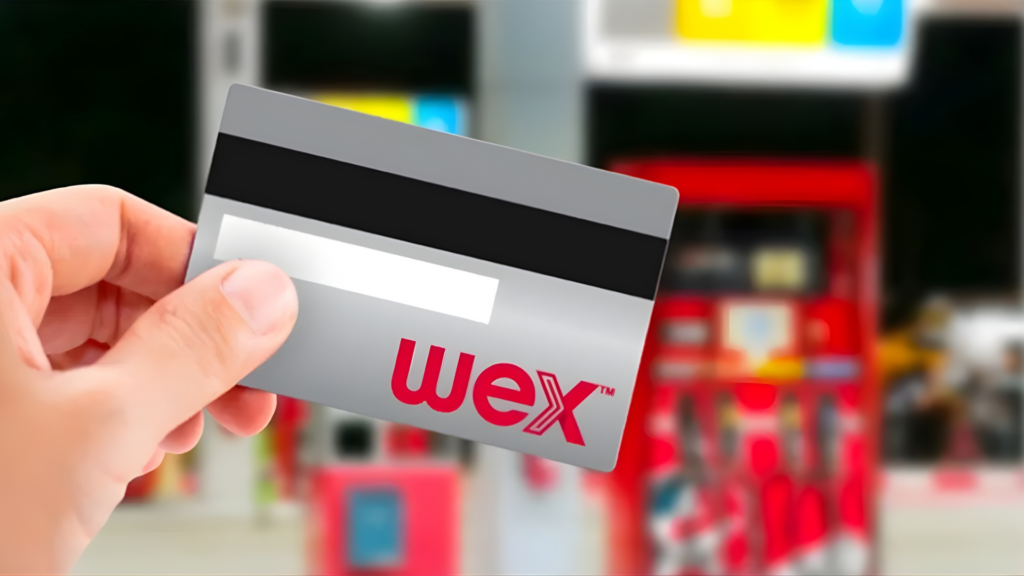
That’s where fuel cards come in. They’re more than a way to pay for gas; they give you clear visibility, simple controls, and a system that keeps drivers on track while reducing headaches for managers.
Here’s how they help your business run more smoothly:
1. One Centralized System for Fuel and Maintenance
Fuel cards combine all fuel and maintenance spending into one secure account. Even if cards are assigned to individual drivers or vehicles, everything shows up in a single dashboard. Managers can track expenses without chasing receipts, and drivers have a straightforward way to pay on the road. This reduces paperwork, streamlines reporting, and gives everyone a clear picture of fleet spending.
2. Built-In Fuel Rebates and Discount Networks
Most fuel cards offer automatic fuel rebates and negotiated discounts that apply wherever your drivers fill up. Many also include savings on hotels, auto parts, and other fleet expenses. That means lower costs without asking drivers to change how or where they work. Over time, these savings can really add up and help your fleet run more efficiently
3. Purchase Controls That Set Drivers Up for Success
Fuel cards let managers create rules that match company policies. You can set limits on spending, fuel type, transaction counts, location, and times of use. These controls prevent mistakes before they happen and make expectations clear for drivers. The result is less confusion, fewer unauthorized purchases, and smoother operations.
4. Real-Time Tracking and Automated Expense Reporting
Every transaction made with a fuel card is logged automatically in a dashboard. Managers can see details like date, time, location, gallons purchased, and driver ID without collecting a single receipt. This real-time visibility allows unusual spending to be spotted immediately and creates transparency that naturally encourages responsible use.
5. Reporting, Analytics, and Telematics Integration
Fuel card data goes beyond basic tracking. You can spot trends in fuel use, compare driver performance, and identify vehicles that may need maintenance. Integrating this data with telematics gives context, linking fuel consumption to driving habits such as speeding, idling, or inefficient routes. That makes feedback more targeted, fair, and actionable, and helps cut costs over time.
Why It Matters
WEX fuel cards through Savings4Members make fleet management easier. Drivers know what’s expected, managers have the data to make smart decisions, and businesses benefit from lower fuel costs, fewer errors, and improved vehicle performance. Accountability doesn’t mean watching drivers closely. It’s about giving everyone the tools to succeed. If you’re interested in seeing how your business can benefit, visit your Savings4Members page or reach out to us today.
Visit our contact us page to learn more!
This is a quick summary of the original article from the WEX blog. If you want the full breakdown and more detail, you can read the complete piece directly on their site here.